
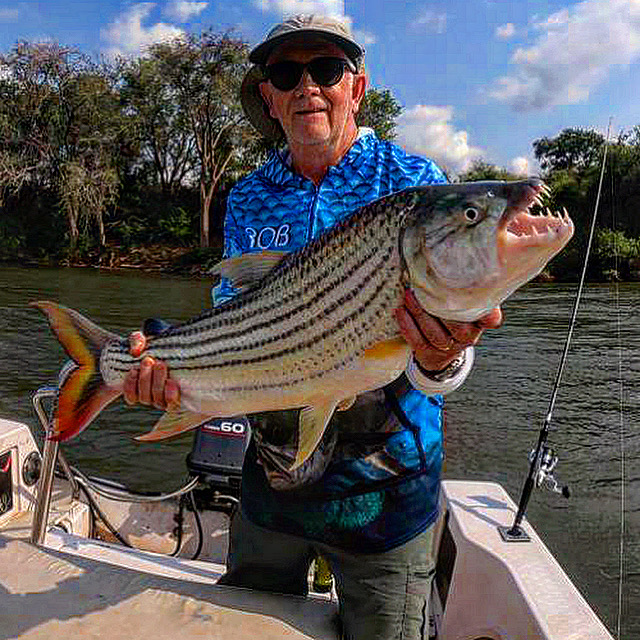
Planning a tiger fishing trip to Africa from overseas sounds complicated until someone breaks it into parts.
Then it becomes exciting.
And, honestly, that’s how it should feel.
If you’re travelling a long way for tigerfish, you don’t want a vague booking and a pile of unanswered questions. You want a trip that fits your dates, budget, fishing style, and tolerance for travel admin. That’s exactly where a specialist operator earns their keep.
Afri G Travel is built around tailor-made tigerfishing trips and works with lodge options across the Upper Zambezi, Lower Zambezi, Chobe, and surrounding river systems. In other words, you don’t have to force yourself into one standard package and hope for the best.
1. Choose the Right River System First
Most overseas anglers make the same mistake at the start: they ask which lodge to book before deciding what kind of trip they want.
Do you want numbers? Trophy potential? Lure fishing? Bait sessions? Boat-based comfort? Easy add-ons like Victoria Falls or Chobe? Those questions matter.
Afri G currently features partner lodges including Zambelozi, Shamwari Houseboat, Muchenje River Lodge, Shackletons, Sekoma Island Lodge, Ilombe Island Lodge, and Ichingo River Lodge, across sections of river in Zambia and Namibia. Their existing content also distinguishes between Upper Zambezi and Lower Zambezi seasonal strengths.
That’s the right place to begin. Not “Where’s the cheapest bed?” but “What trip am I actually trying to have?”
2. Build Around Timing, Not Just Holiday Dates
On the Zambezi, river conditions shape the fishing. Receding floodwater can produce outstanding action on the Upper Zambezi, while other stretches fish strongly during warmer, more stable periods. Afri G’s own season guide frames timing as central to success, not an afterthought.
So if your dates are flexible, use that flexibility.
A well-timed seven-day trip can beat a badly timed ten-day trip every day of the week.
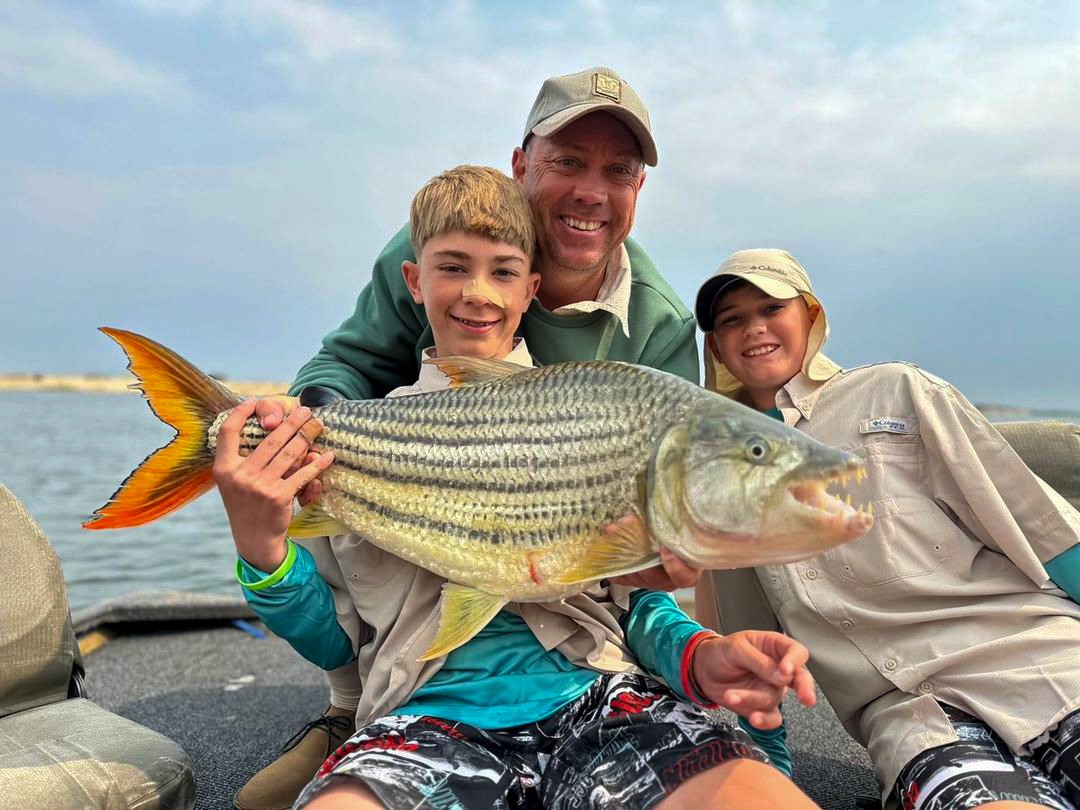
3. Work Out Your Route Early
Access is easier than many first-time travellers expect, but it still needs planning.
Specialist Zambezi operators emphasise “easy logistics” as a selling point, and some lodges combine fishing with convenient add-ons such as Victoria Falls and Chobe activities. Ichingo, for example, markets fishing plus sunset cruises, game viewing, and day visits to Victoria Falls.
That opens up some smart routing options for overseas guests:
fly into a regional gateway, transfer to your lodge, fish hard, then add a safari or Falls extension before heading home.
That kind of trip feels bigger without becoming messy.
4. Check Passport and Visa Requirements Early
This is the boring part. Do it anyway.
Official Zambia immigration guidance says ordinary visitors and tourists are entitled to a free ninety-day visit in any twelve-month period, and Zambia also provides online e-services for visa and permit applications where relevant. Namibia’s official systems currently provide both visa information and an online visa-on-arrival process. Namibia’s embassy guidance also notes that passports should generally have at least six months’ validity and enough blank pages. These rules can vary by nationality, so they should always be checked against your passport country before departure.
The key point is simple: don’t leave entry requirements until the week before you fly.
5. Sort Health Prep Properly
For many tiger fishing itineraries in Zambia and the wider Zambezi region, malaria prevention needs to be discussed with a travel-health professional. CDC travel guidance for Zambia recommends prescription medication for malaria prevention, and country-specific health pages also flag yellow fever requirements depending on where you are arriving from or transiting through.
Nothing dramatic here. Just grown-up preparation.
Book the travel clinic appointment early, especially if your itinerary crosses borders or includes safari extensions.
6. Pack for Fishing, But Pack for Travel Too
Tackle matters, yes. But so do adapters, medication, sun protection, lightweight technical clothing, and a sensible luggage plan. Comparable Zambezi fishing specialists note that they cater for spinning, trolling, bait, and fly, which is useful because your final gear list should reflect your chosen water and style.
A good rule? Travel light, fish smart, and ask before you overpack.
There is no glory in hauling three unnecessary rod tubes through multiple airports.
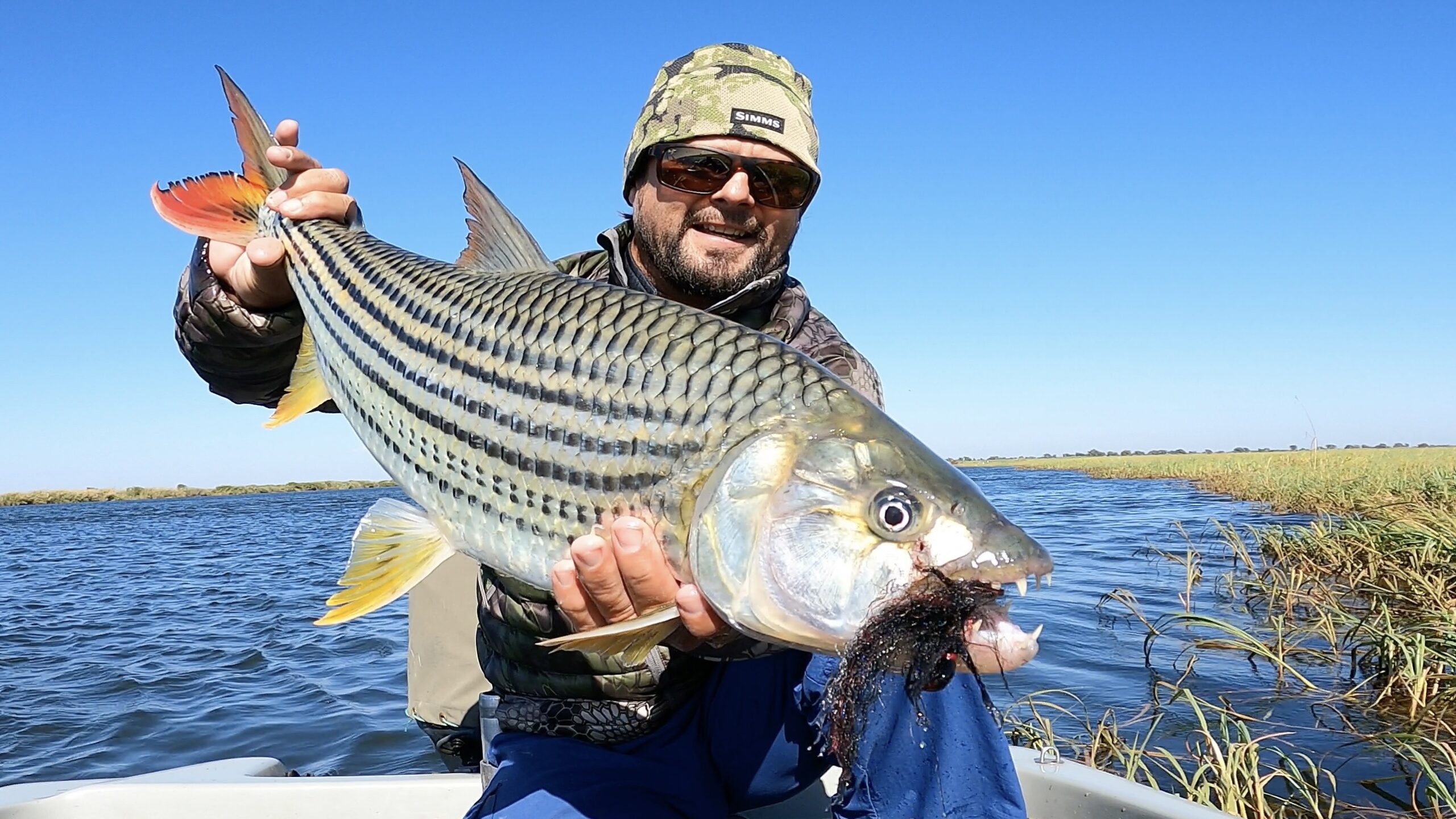
7. Decide Whether You Want More Than Fishing
A lot of overseas guests don’t want a pure fishing grind, and that’s perfectly reasonable.
Some want three or four serious fishing days, then wildlife, a houseboat stay, or Victoria Falls. Afri G’s broader destination setup and regional lodge mix make that realistic, while operators in the same networked Zambezi space already sell the combination of fishing, comfort, logistics, and add-on safari experiences as a major advantage.
This is one of the best parts of planning a tiger fishing trip to Africa, actually. It doesn’t have to be only one thing.
8. Use a Specialist to Remove Friction
Could you stitch everything together yourself? Probably.
Should you, when you’re flying halfway across the world to fish one of Africa’s great rivers? Maybe not.
A specialist adds value by matching the right property to the right angler, simplifying logistics, and shaping the trip around seasonality and fishing style. That’s exactly how both Afri G and other established Zambezi fishing operators describe their role.
And that’s the real point. You’re not only buying accommodation. You’re buying fewer mistakes.